


“You sleep on your stomach or your side, I can tell,” said the dermatologist who was examining my skin last month. “Your pillow is definitely pushing on your face and causing it to sag here,” she continued, her gloved finger touching my left jaw. “Oh, and see this?” she said, pointing at my chest, “these lines are deeper because you’re sleeping on your side.”
I’ve been a beauty editor for more than 20 years. I’ve spoken to dozens, if not hundreds, of skin experts. This was the first time I’d ever considered that how I sleep could be contributing to — and even accelerating — the aging process. But as it turns out, sleep position affects our skin more than we may think.
“Sleep is essential for cellular repair and skin regeneration, but the way we sleep can significantly influence how our face and chest age,” explains Dr. Svetlana Danovich, a triple board-certified cosmetic surgeon and founder of New York’s SD Medical Arts. “When we repeatedly sleep on our side or stomach, the skin is compressed against the pillow, creating mechanical stress. Over time, this compression causes creases in the skin, commonly known as ‘sleep lines,’ that can eventually become permanent wrinkles. Areas most vulnerable include the cheeks, nasolabial folds [lines that reach from the bottom of the nose to the end of the mouth], jawline and décolleté.”
The best (and worst) sleep positions for your skin
While experts say side (specifically left side) sleeping is the best for your health, Danovich told me this is actually among the worst positions for your skin. “Side and stomach sleeping are the most damaging for the skin,” she says. “These positions apply consistent pressure and friction to one side of the face and the chest, contributing to asymmetry, fine lines and vertical chest wrinkles. The repeated force weakens collagen and elastin, accelerating the loss of firmness and elasticity, especially in delicate areas.”
Advertisement
Advertisement
According to Danovich, back sleeping is by far the most skin-friendly position. “It prevents direct contact between your face and pillow, reducing tension and fluid buildup. Back sleeping also helps maintain facial symmetry and protects the décolleté from creasing. For added benefit, elevating the head slightly can reduce puffiness by minimizing fluid retention.”
How to prevent— and treat — sleep-positional aging
But it’s not all aging doom for side and stomach snoozers: Danovich says that consistent at-home interventions can help protect your skin from further sleep-related damage. “It’s a combination of smart skin care, lifestyle adjustments and internal wellness,” she explains. In addition to the use of targeted products, she suggests minimizing salt intake to reduce puffiness and increasing your intake of H2O. “Together, these strategies create a comprehensive approach to slowing skin aging and preserving skin integrity, even while you sleep,” Danovich says. Here’s what she specifically recommends.

Amazon

Ulta
At .1% retinol concentration, and with the addition of high-quality, skin-nourishing ingredients like grape seed oil, this $8 tube is a reliable alternative to far pricier options from luxury brands.

Amazon
Amazon
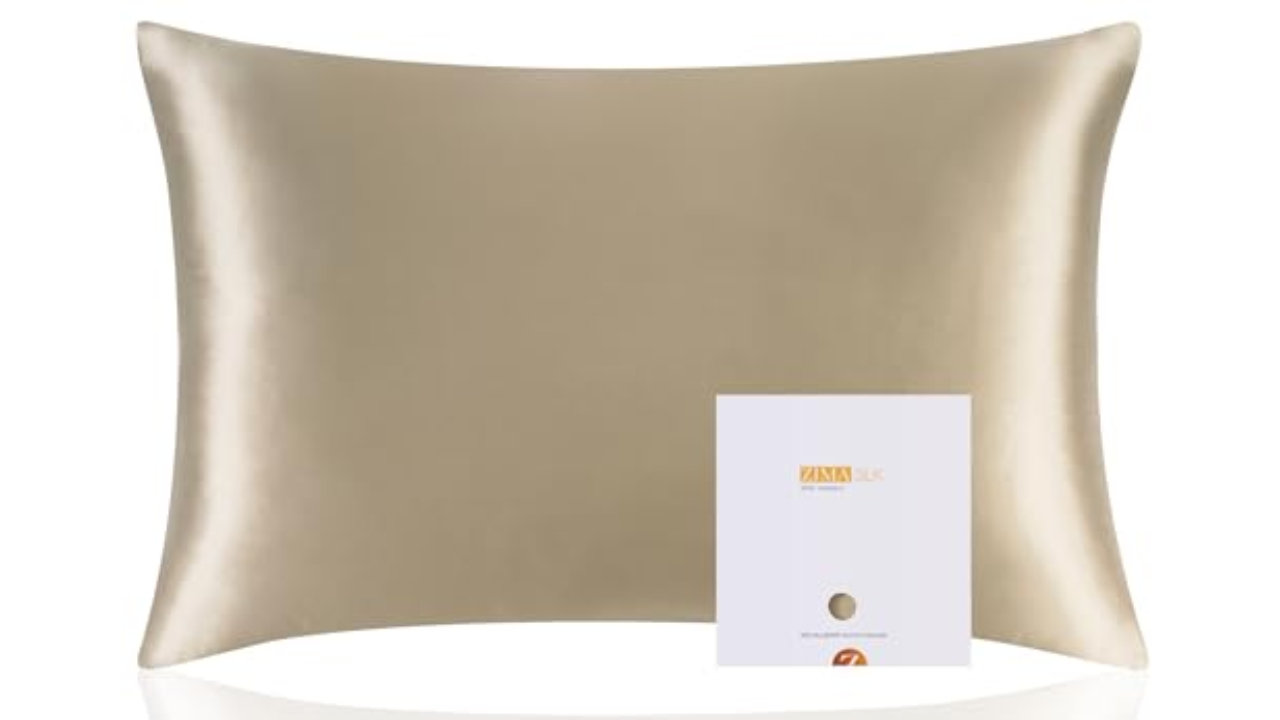
Buying tip: Look for versions made of mulberry silk (like this one from Zimasilk), which has longer, more durable fibers that make the fabric both softer and longer-lasting.

Amazon

Amazon
In-office treatments to revive sleep-damaged skin
Danovich says the remedies above will help prevent future sleep damage and make subtle improvements in boosting skin vibrance and bounciness. But if you’ve got deep wrinkles or serious sagging and want to dramatically turn back time, you may want to head to a dermatologist’s office. “There are several in-office treatments that can effectively target signs of aging caused by sleep compression and skin creasing,” she says. “At my practice, we combine multiple treatment modalities to achieve the most natural and long-lasting results based on each patient’s unique skin needs.” Those treatments include:
-
Botox and other neuromodulators: “These work to relax expression lines that may deepen with habitual sleep positions.”
-
Dermal fillers: “To restore volume and soften sleep-related facial creasing, especially around the cheeks and nasolabial folds.”
-
RF microneedling: This advanced technology combines microneedling with radio-frequency energy to stimulate collagen deep within the skin. “It’s highly effective for smoothing fine lines and improving skin texture caused by sleep-induced wrinkling,” Danovich says.
-
PICO laser: A non-ablative laser that works in ultra-short pulses to break down pigmentation, boost collagen and refine skin tone, all with minimal downtime. “It’s ideal for restoring skin clarity and resilience,” she explains.
-
Red-light therapy: In-office red-light therapy is miles more potent and effective than the masks you can use at home. “This is a gentle-yet-powerful treatment that supports collagen production, reduces inflammation and accelerates post-procedure healing,” Danovich says. “It’s great for maintaining skin health and vibrancy over time.”
If you have Amazon Prime, you’ll get free shipping, of course. Not yet a member? No problem. You can sign up for your free 30-day trial here. (And by the way, those without Prime still get free shipping on orders of $35 or more.)
The reviews quoted above reflect the most recent versions at the time of publication.


